Woodpecker Feeders
Attract Downy, Hairy, and Pileated Woodpeckers to your yard with the right suet feeders, tail-prop designs, and placement strategies.
Why Woodpeckers Need Specialized Feeders
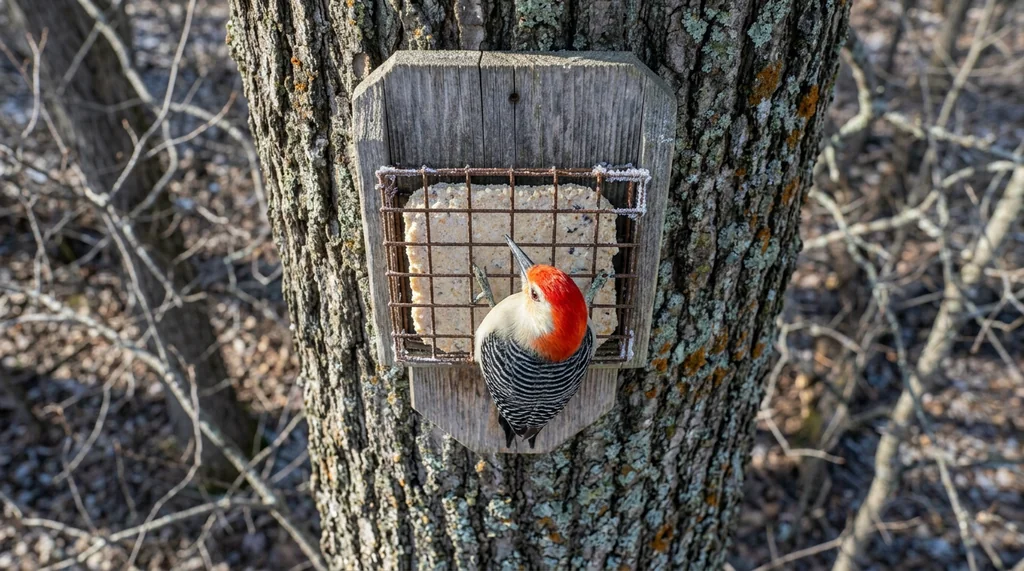
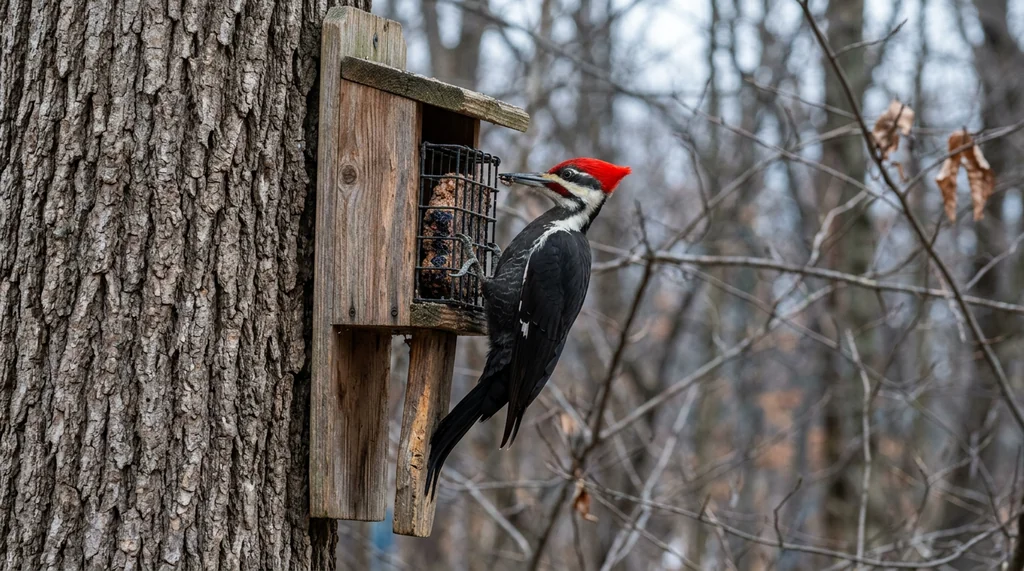
Woodpeckers are among the most fascinating backyard visitors, with over 20 species found across North America. Unlike songbirds that perch on small dowels, woodpeckers cling vertically to tree trunks and need feeders that accommodate their unique feeding posture. Tail-prop suet feeders let them brace against a surface the way they would on a tree, making larger species like the Pileated Woodpecker far more likely to visit. Suet is their preferred high-energy food, especially during winter months when insects are scarce. Our guides cover the best suet feeder designs for every woodpecker species, homemade suet recipes, proper feeder placement near mature trees, and tips for attracting the more elusive varieties like Red-bellied and Red-headed Woodpeckers to your feeding station.