Best Window Hummingbird Feeders for Up-Close Views
Best Window Hummingbird Feeders for Up-Close Views
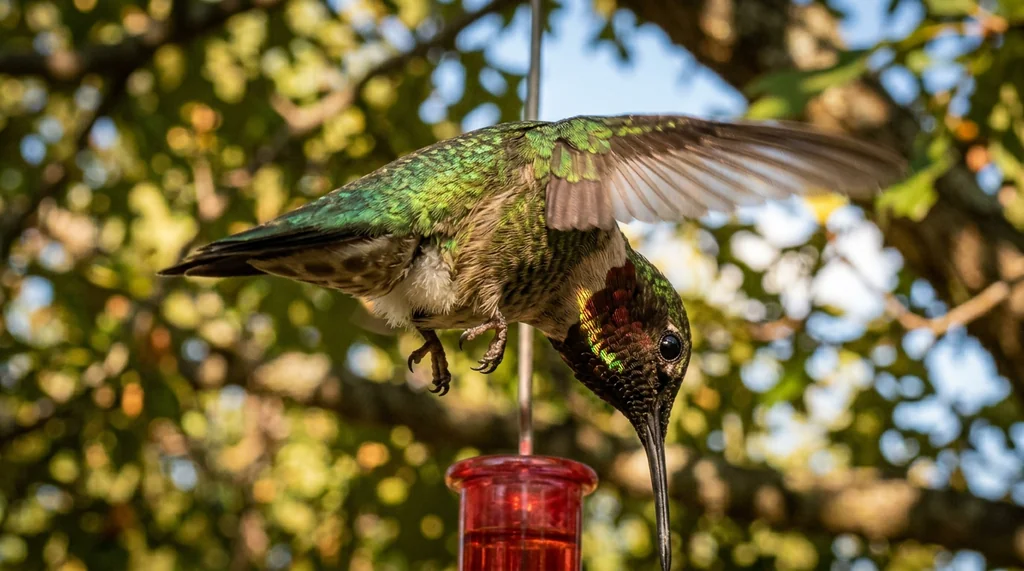
Most hummingbird feeders ask you to watch from a distance. You hang them in the garden, train your binoculars on them from across the yard, and squint at tiny jeweled shapes zipping between perches. It works. But it's not the same as pressing your face close to the glass and watching a Ruby-throated Hummingbird hover six inches from your nose, every iridescent feather visible, wings beating 50 to 80 times per second in a blur that shouldn't be physically possible.
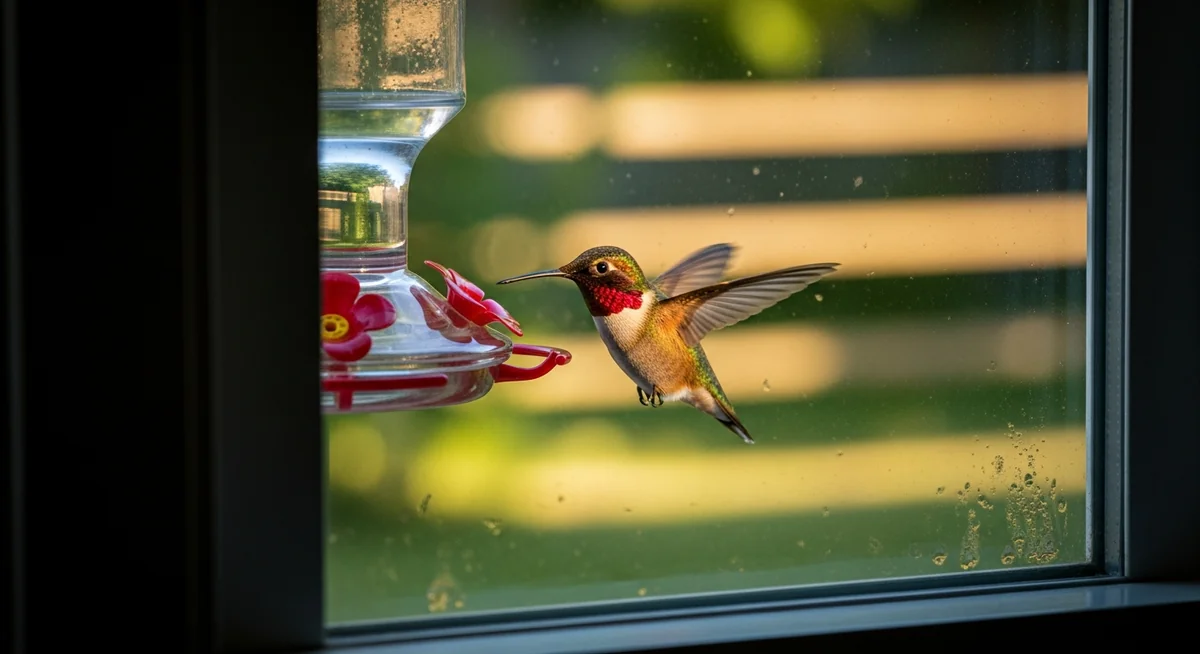
Window hummingbird feeders change the entire relationship between you and these birds. Instead of observing from a respectful distance, you become part of the scene—separated from one of nature's most extraordinary creatures by nothing but a pane of glass. The window feeder on my setup gets only about 10% of total hummingbird traffic, but it delivers 90% of my viewing pleasure. That math tells you everything you need to know about why these feeders deserve serious consideration.
If you're ready to move from casual hummingbird watching to something closer to genuine intimacy with these birds, here's what you need to know about choosing, placing, and maintaining the best window hummingbird feeders available right now.
Key Takeaways
- Window hummingbird feeders provide intimate 6-8 foot views, revealing details impossible to see from a distance.
- Suction cup quality and ease of cleaning are the most critical features to evaluate before purchasing.
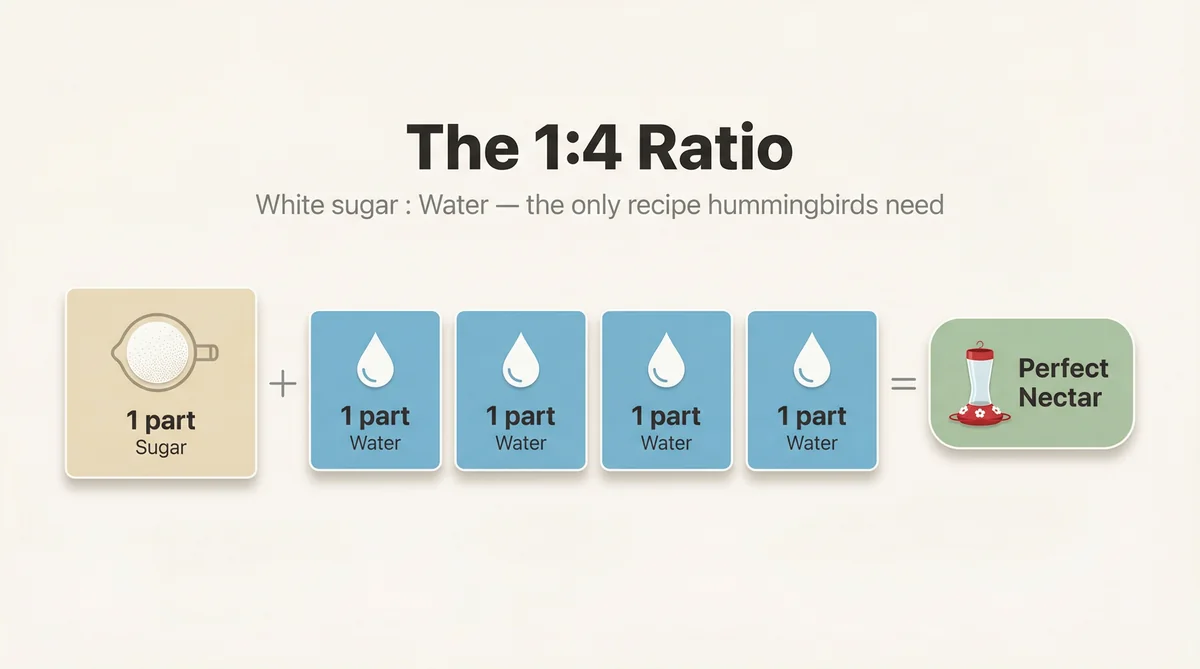
- Use a 1:4 sugar-to-water ratio for homemade nectar; avoid red dye, which can harm hummingbird kidneys.
- Moderate capacity (10-14 oz) is ideal for window feeders since nectar must be changed every 2-5 days regardless of consumption.
- Pair a window feeder with a primary garden feeder 15-20 feet out to maximize both bird traffic and close-up viewing opportunities.
Why Window Feeders Deserve a Spot in Your Setup
Before getting into specific products, it's worth understanding what makes window feeders genuinely different from their yard-hanging counterparts.
The proximity is the obvious advantage. When a hummingbird visits a window feeder, you're typically watching from 6 to 8 feet away, separated only by glass. At that distance, you can see things that binoculars at 20 feet simply cannot reveal: the way a bird's gorget shifts from black to blazing ruby-red depending on the angle of light, the precise mechanics of that extraordinary tongue, the subtle territorial posturing when a second bird approaches. Hummingbirds can remember human faces and specific feeder locations year after year—which means that bird hovering inches from your face may actually recognize you.
Documentation becomes genuinely possible at window-feeder distances. One approach that works remarkably well: an iPhone mounted on a $25 tabletop tripod, positioned against the glass. The resulting footage captures details that would require expensive telephoto equipment from any other position.
There's also a practical argument for window feeders that often goes unmentioned. Nectar must be changed every 3 to 5 days under normal conditions, and every 2 to 3 days when temperatures exceed 75 degrees. A feeder mounted directly on your kitchen or living room window is simply easier to monitor. You notice immediately when levels drop, when nectar starts to cloud, when the feeding ports need attention. Out-of-sight feeders have a way of going unattended longer than they should.
The one caveat worth addressing directly: window placement requires some thought. The danger zone for window strikes is between 3 and 10 feet from glass. A feeder mounted directly on the window sits within 3 feet, which actually reduces strike risk rather than increasing it—birds approaching a feeder that close are flying slowly and deliberately, not at speed. The hazard is feeders positioned in that middle-distance zone where birds approach at full velocity.
What to Look For: Essential Features in Window Hummingbird Feeders
Not all window feeders are created equal. After testing four different feeder types over three years and learning some expensive lessons along the way, certain features have proven genuinely important versus merely nice-to-have.
Suction Cup Quality
This is the feature that fails most often and matters most immediately. A feeder that drops from your window—whether empty or full of nectar—is a problem on multiple levels. Quality suction cups should grip firmly on clean glass and hold that grip through temperature fluctuations. Before purchasing any window feeder, read reviews specifically for suction cup failures. A $13 feeder with suction cups that fail in the first month is not actually a bargain.
The installation process matters too. Suction cups grip best on clean, smooth glass. Before mounting any window feeder, clean the glass thoroughly with a mild soap solution, dry completely, and press the cups firmly while twisting slightly to remove air pockets. Repositioning is easy—which is useful when you're trying to find the optimal angle for photography or viewing.
Ease of Cleaning
Hummingbird feeders require thorough, regular cleaning. Nectar is essentially sugar water, and in warm conditions it can begin fermenting or growing mold within days. A feeder that's difficult to disassemble and clean is a feeder that will be cleaned less often than it should be—which means sick or deterred birds.
The best window feeders come apart easily into components that can be scrubbed with a small bottle brush. Wide-mouth reservoirs are significantly easier to clean than narrow-necked bottles. Hinged lids that allow access without full disassembly make quick refills practical. For thorough cleaning, a solution of 1 part bleach to 9 parts water, followed by complete rinsing and drying, is the appropriate standard. Our step-by-step hummingbird feeder cleaning guide covers the full process.
Bee and Wasp Resistance
This matters more than it might initially seem. Bees and wasps are attracted to nectar just as strongly as hummingbirds are, and once they discover a feeder, they can make it effectively unusable for the birds you're actually trying to attract. Look for feeders with feeding ports designed to prevent insect access—typically through recessed ports that insects can't reach but hummingbird tongues easily can.
Ant Guards or Moats
Ants will find window feeders. They're persistent, they travel along window frames and suction cup hardware, and once they reach nectar they contaminate it rapidly. Some window feeders include built-in ant moats; others require a separate ant moat addition. A simple ant moat costs between $5 and $10 and is worth every cent.
Clear Reservoirs
The ability to monitor nectar levels and clarity without removing the feeder saves time and reduces disturbance to feeding birds. Cloudy nectar, visible mold, or low levels are all immediately apparent through a transparent reservoir.
The Best Window Hummingbird Feeders: Specific Recommendations
Best Budget Option: Perky-Pet Window Mount Plastic Hummingbird Feeder ($13)
For anyone just beginning with window feeders, this is the sensible starting point. At $13, it represents a low-stakes entry into window feeding—if you discover that hummingbirds in your area don't take to the window location, or that the viewing angle doesn't work for your setup, you haven't committed significant money to the experiment.
The plastic construction is more durable than glass alternatives and handles temperature fluctuations without issue. It's the practical, no-fuss option. The tradeoffs are real: plastic feeders are more prone to leaks than glass, more susceptible to discoloration over time, and frankly less attractive. But they work, they're easy to find, and the price makes them genuinely accessible.
Testing data from multiple sources indicates that window feeders in general successfully attract hummingbirds even in yards where the birds weren't previously visiting—so the question of whether a window feeder will work in your specific situation is worth investigating before committing to a premium option.
Best Glass Option: Perky-Pet Window-Mounted Glass Hummingbird Feeder
The glass version of the Perky-Pet window feeder addresses the main shortcomings of the plastic model. Glass feeders are less likely to discolor over time, and—importantly for nectar quality—glass doesn't heat up as quickly as plastic in direct sunlight. Since nectar spoils faster in heat, this thermal advantage translates directly into fresher nectar and less frequent changes in warmer weather.
With a 14-ounce capacity, two flower-shaped feeding ports with perches, and a design specifically engineered for close-up window viewing, this feeder hits the practical sweet spot for most backyard setups. The flower ports provide comfortable landing areas that encourage birds to pause and feed rather than hover-and-go, which means longer observation windows for you.
The glass construction does make this feeder more fragile than plastic alternatives—a consideration worth noting if children are involved in setup or maintenance, or if the window location is prone to vibration.
Best Specialty Design: Jewel Box Window Feeder
The Jewel Box is designed with a single purpose: maximum observation quality. Its 8-ounce capacity is smaller than other options, but the design philosophy prioritizes viewing experience over volume. A railing perch allows hummingbirds to alight and remain stationary while feeding, rather than hovering—which gives observers a sustained, stable view of the bird rather than a brief hovering visit.
Three feeding openings mean multiple birds can access the feeder simultaneously, which creates the possibility of watching territorial interactions play out at extremely close range. Hummingbirds are famously aggressive with each other; watching that dynamic unfold inches from your face is a genuinely different experience from watching it through binoculars across a garden.
The hinged lid design makes refilling quick and practical—an important feature given that window feeders require the same attentive maintenance schedule as any other hummingbird feeder. With 8-ounce capacity, you'll be refilling more frequently than with larger feeders, so ease of access matters.
Best Technology Integration: VistaFledge 2K Hummingbird Feeder Camera ($59)
This option represents a different category of window feeder entirely. Rather than simply positioning the feeder for human observation, the VistaFledge integrates camera technology to capture and record hummingbird visits digitally.
At $59, it's the premium option in this category, but it offers something the other feeders don't: documentation capability that doesn't require you to be present. For anyone interested in tracking individual birds, monitoring visit frequency, or simply capturing footage to share, the camera integration changes what's possible. The close-up views from a window feeder also make species identification much easier — gorget color, tail shape, and flank markings are all visible at this distance. High-end camera feeders in this category can offer 2K HD resolution with features like AI-powered species identification.
The practical limitation is the same as any technology-dependent product: the camera components require their own maintenance and eventual replacement in ways that a simple glass or plastic feeder doesn't.
Capacity: Matching Feeder Size to Your Hummingbird Population
Window feeder capacity ranges from 8 ounces (Jewel Box) to 14 ounces (standard glass models) to 32 ounces for high-traffic applications. The right capacity depends less on how large a feeder you want and more on how quickly nectar will be consumed before it needs to be changed.
Hummingbirds consume approximately half their body weight in sugar daily, and they feed every 10 to 15 minutes throughout the day. A territorial male—like the one that arrives at my primary feeder at precisely 6:47 AM every morning and returns every 12 to 15 minutes throughout the day—can go through nectar quickly during peak season. By early June, I'm refilling three feeders twice daily, with the primary feeder empty by mid-afternoon.
For a window feeder specifically, moderate capacity (10 to 14 ounces) usually makes the most sense. The window location typically gets less traffic than a garden-positioned primary feeder, which means nectar sits longer. In hot weather, nectar above 75 degrees should be changed every 2 to 3 days regardless of consumption level—so a smaller feeder that empties naturally within that window is actually preferable to a large feeder that holds more nectar than the birds will consume before it needs replacement.
Nectar Basics for Window Feeder Success
The feeder itself is only half the equation. What goes in it determines whether hummingbirds visit at all.
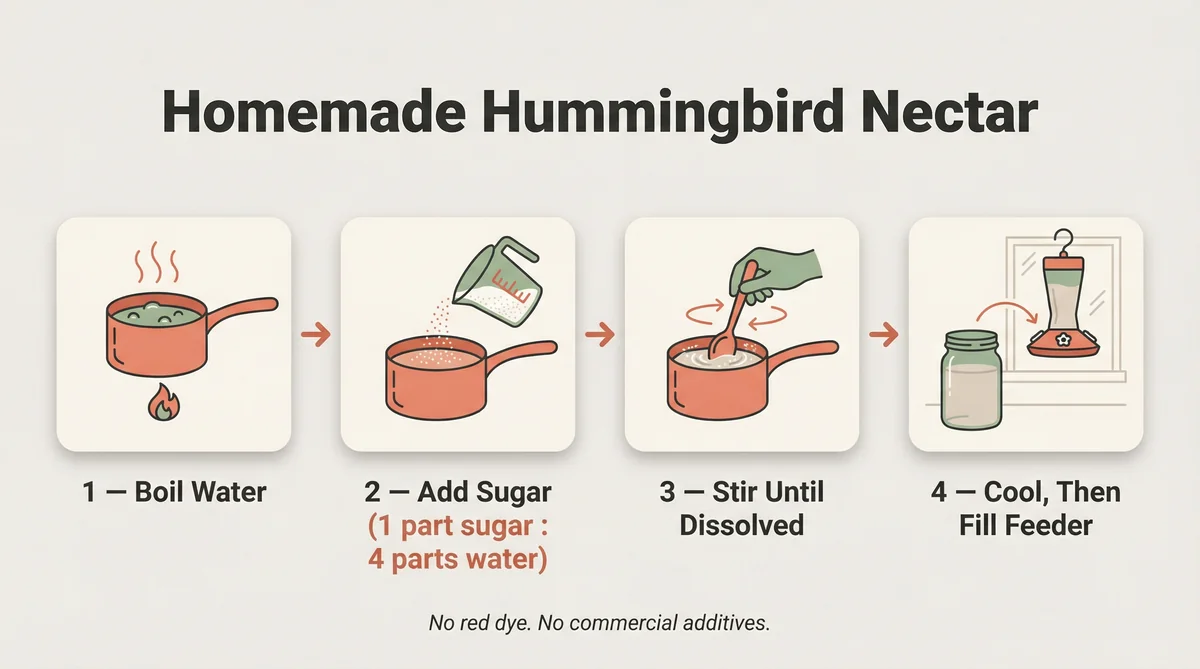
The correct nectar recipe is straightforward: 1 part white granulated sugar to 4 parts water. Boil the water, dissolve the sugar completely, cool to room temperature before filling the feeder. That's it. Homemade nectar stored in a glass jar in the refrigerator stays fresh for up to two weeks, making it practical to prepare batches in advance.
Red dye is unnecessary and potentially harmful—hummingbirds are attracted to the red components of the feeder itself, not to colored nectar. Commercial nectar products often contain red dye that can be harmful to hummingbird kidneys. The $12 bottle of red nectar concentrate I bought in my first month of hummingbird feeding sat mostly unused in my pantry for three years before I finally admitted defeat and disposed of it. The homemade recipe costs roughly $4 per month during peak season versus the $47 per month I was spending on commercial products. The birds prefer the clear homemade version. There is no argument for commercial nectar.
Getting the Most From Your Window Feeder
A few practical observations from extended window feeder use:
Patience at the start. New feeders often sit empty for days or weeks. Hummingbirds are cautious about new food sources, and window feeders in particular require birds to approach a reflective surface that may initially seem like a barrier. My first feeder hung empty for seventeen days before the first visitor arrived. Now the same location receives regular visits from birds that clearly know exactly where it is.
Light and angle matter for photography. If documentation is part of your goal, consider the direction your window faces before mounting. North-facing windows provide consistent, diffuse light without harsh shadows. South-facing windows in afternoon sun create glare that makes photography difficult. Position your camera or phone before the birds arrive to work out the optimal setup.
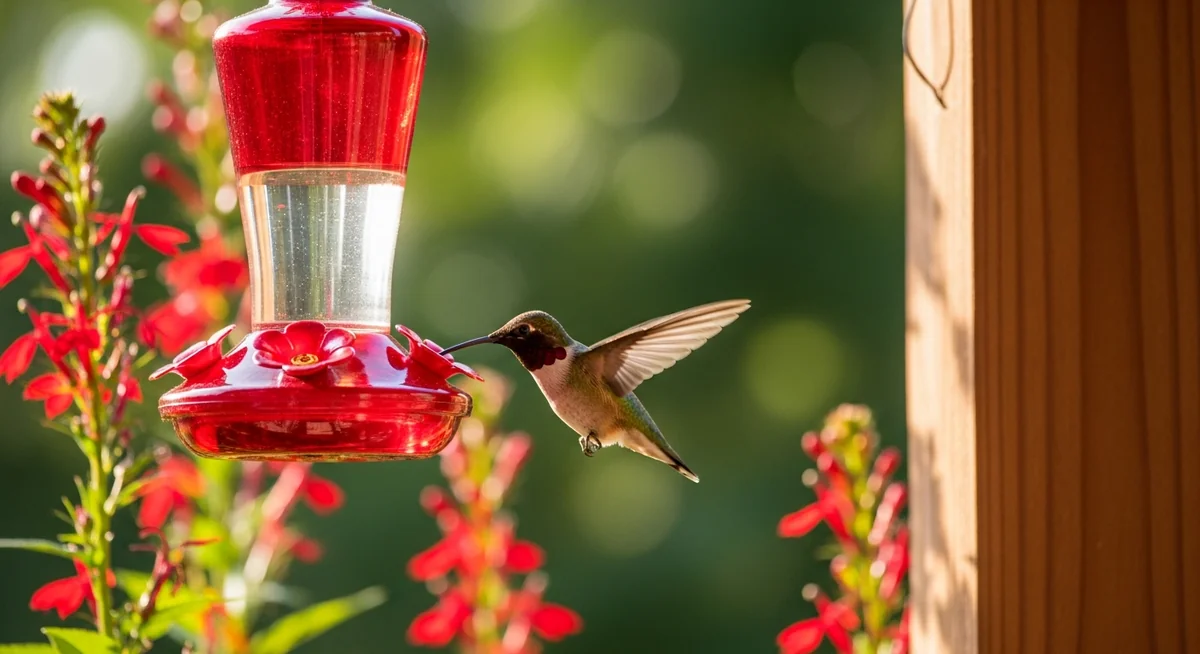
Combine window feeders with primary feeders. Window feeders work best as part of a broader setup rather than as the sole feeding option. A primary feeder positioned further from the house—mine sits 20 feet out—establishes the yard as a reliable food source. The window feeder then becomes a secondary station that birds discover as they become comfortable in the space. This is why my window feeder gets only 10% of traffic but delivers 90% of viewing satisfaction: the birds are already comfortable, already feeding regularly, and the window location is simply one more known resource.
Window hummingbird feeders represent one of the most rewarding investments in backyard bird watching precisely because they collapse the distance between observer and observed. Hummingbirds are extraordinary creatures—hearts beating up to 1,260 times per minute, capable of remembering specific locations and faces across seasons, fueling metabolic demands that require them to consume half their body weight in sugar every single day. Watching that biology unfold at arm's length is a genuinely different experience from watching it through binoculars across a garden.
Start with the $13 plastic Perky-Pet if you're testing the concept. Upgrade to glass when you're committed. Consider the Jewel Box if extended, stationary observation is your primary goal. Whatever you choose, keep the nectar fresh, the ports clean, and the glass clear—and then simply wait. The birds will find it.