Best Glass Hummingbird Feeders: Tested & Reviewed
Best Glass Hummingbird Feeders [Tested & Reviewed]
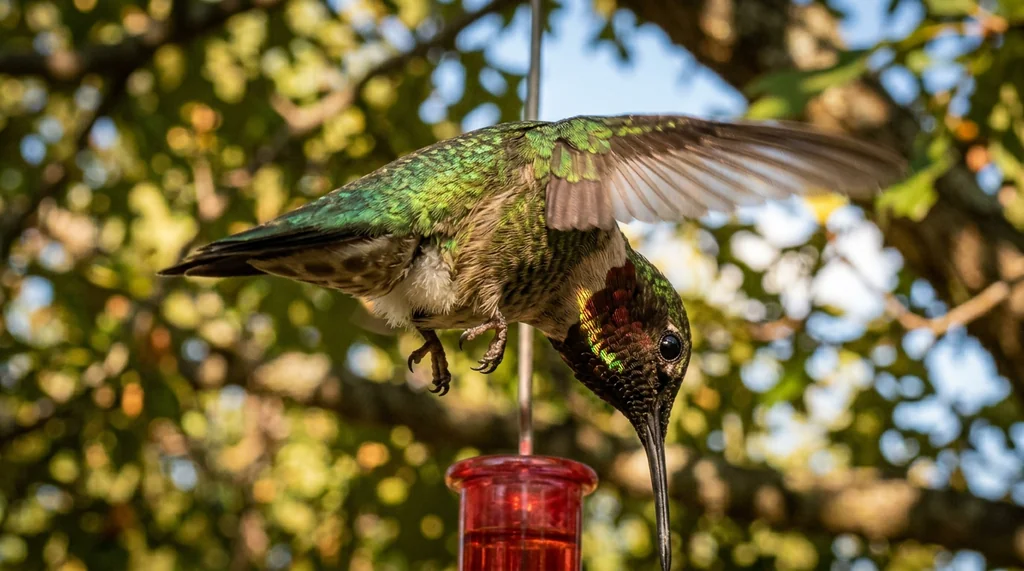
There's a moment every serious hummingbird enthusiast eventually reaches: you're standing in the garden section of a big-box store, staring at a wall of plastic feeders in varying shades of faded red, and something shifts. You've watched those wings beat 50 to 80 times per second outside your kitchen window. You've learned that these birds consume roughly half their body weight in sugar every single day, which means your feeder isn't a decoration — it's a life-support system. And suddenly, the $12 plastic option feels inadequate.
That's where glass hummingbird feeders enter the conversation.
After three years of feeding hummingbirds — including seventeen failed attempts in my first season, $62 wasted on commercial nectar products, and a learning tax that eventually totaled $1,847 across all my bird-feeding experiments — I've developed strong opinions about what actually works. Glass feeders represent a genuine upgrade for committed feeders, but not all glass is created equal. This guide covers what the research shows, what matters in practice, and which specific feeders are worth your money.
Key Takeaways
- Glass feeders outperform plastic long-term by staying cooler (preserving nectar freshness), resisting UV degradation, and lasting 10+ years versus plastic's 2-3 year lifespan.
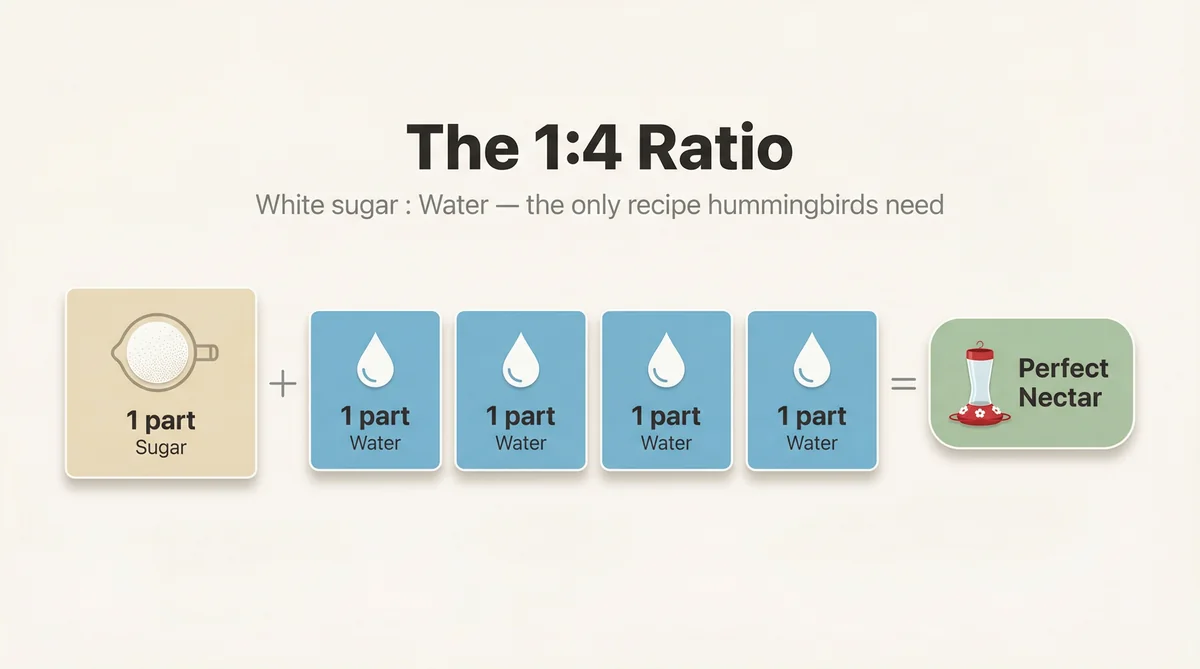
- Nectar must be changed every 3-5 days normally and every 2-3 days above 75°F; use only 1 part white sugar to 4 parts water — nothing else.
- Look for ant moats, wide-mouth designs for easy cleaning, continuous perch rings, and predominantly red coloring when choosing a feeder.
- The More Birds Vintage ($35-45) is the best all-around pick; Grateful Gnome (
$35) for aesthetics; WOSIBO for high-traffic yards; Perky-Pet ($29) for budget buyers. - Hang feeders 4-5 feet high, within 3 feet or beyond 10 feet of windows, and put them out 1-2 weeks before expected hummingbird arrival in late March or early April.
Why Glass Hummingbird Feeders Outperform Plastic Over Time
The honest answer to "glass or plastic?" is that hummingbirds genuinely don't care. Expert consensus is clear on this point: it makes no difference to the birds themselves. What matters is fresh, clean nectar at the right concentration — one part white granulated sugar to four parts water, nothing else — presented at a feeder they can access easily.
What glass offers is a better long-term experience for the person maintaining the feeder. And since feeder maintenance directly determines nectar quality, which directly determines whether hummingbirds keep returning, the material choice matters more than it might appear.
Temperature and Nectar Quality
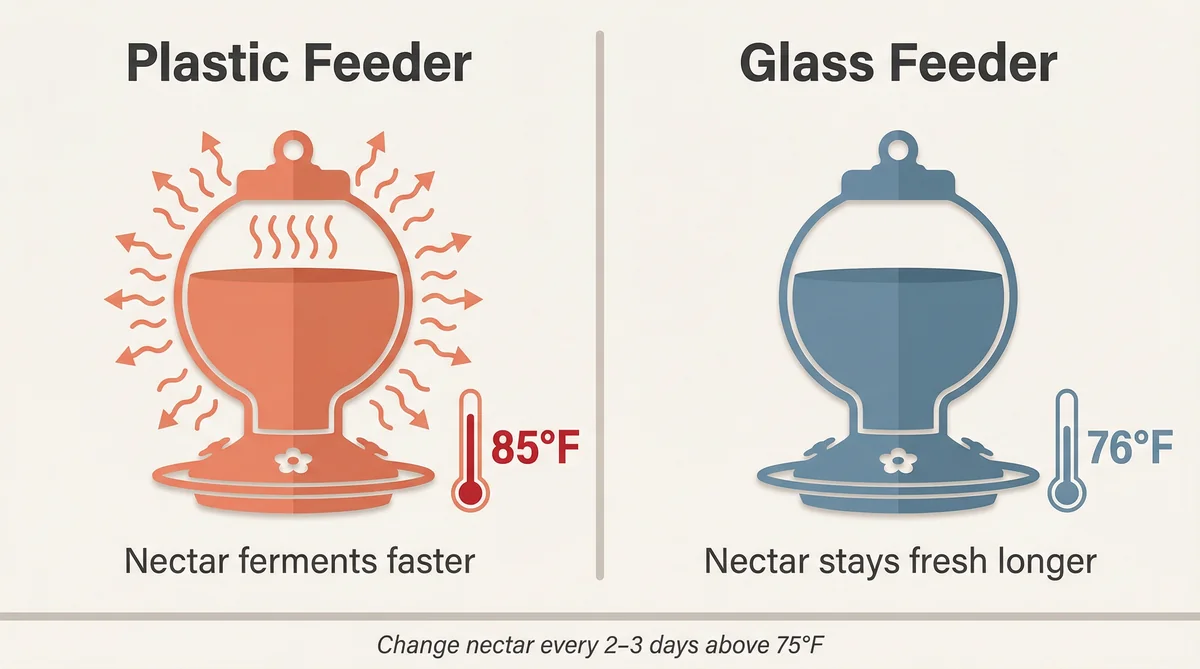
This is the most important practical advantage glass provides. Plastic heats up quickly in direct sunlight, and hummingbird nectar is essentially a sugar solution — exactly the kind of medium that ferments rapidly when warm. In temperatures above 75 degrees Fahrenheit, nectar should be changed every two to three days. In a plastic feeder sitting in afternoon sun, that window shrinks further.
Glass doesn't absorb heat the same way. It stays cooler longer, which gives nectar a fighting chance of remaining fresh between your scheduled changes. During peak season, when I'm refilling three feeders twice daily by early June, every hour of additional nectar viability matters.
Longevity and Discoloration
Plastic degrades. This isn't a criticism — it's physics. UV exposure causes plastic to become brittle, discolored, and eventually structurally compromised. The interior surfaces of plastic feeders also suffer from sugar erosion over time, creating microscopic pits where bacteria and mold can establish themselves even after cleaning.
Glass resists UV degradation significantly better than plastic alternatives. Quality glass feeders routinely last ten years or more. Plastic feeders typically need replacement every two to three years. When you calculate cost over a decade, the price premium on glass often disappears entirely.
Stability in Wind
Glass is heavier than plastic, which sounds like a disadvantage until you've watched a lightweight plastic feeder spin and leak through a summer thunderstorm. The additional weight of glass makes feeders substantially more stable in windy conditions, reducing spills that waste nectar and create sticky messes that attract unwanted insects.
The Fragility Trade-Off
Glass breaks. This is the genuine disadvantage, and it's worth acknowledging honestly. A severe storm, a persistent squirrel, or an unfortunate bump while cleaning can end a glass feeder's life in an instant. If you're in an area with extreme weather or ambitious wildlife, this is a real consideration. Plastic's break-resistance is a legitimate advantage in high-risk environments.
What to Look for in a Glass Hummingbird Feeder
Before reviewing specific products, understanding the features that separate functional feeders from frustrating ones will help you evaluate any option you encounter.
Ant Moats
Ants are relentless, and a feeder full of sugar water is exactly the resource they're designed to exploit. Quality glass feeders include built-in ant moats — small reservoirs filled with water that create a barrier insects cannot cross. If a feeder you're considering doesn't include one, budget an additional five to ten dollars for a separate moat, because you will need it.
Capacity: Matching Size to Traffic
Feeder capacity matters more than many buyers realize. The logic seems simple: bigger is better, right? Not necessarily.
Nectar must be changed regularly to prevent fermentation and mold. A 32-ounce feeder that takes two weeks to empty means you're serving stale nectar long before the bottle runs out. Conversely, an 8-ounce feeder in a high-traffic yard requires constant refilling during peak season.
The sweet spot for most backyard setups is 16 to 32 ounces. This range stores enough nectar to last several days while serving multiple birds, without creating a situation where fresh nectar becomes an afterthought. During my second year of feeding, by early June I was refilling my primary feeder twice daily — at that point, capacity becomes less important than access and ease of cleaning.
Ease of Cleaning
Hummingbird feeders require thorough cleaning every two weeks using a dilute bleach solution — one part bleach to nine parts water — followed by complete rinsing and full drying before refilling. This isn't optional maintenance. Mold and bacterial growth in feeders can harm the birds you're trying to support.
Feeders with wide-mouth bottle designs, removable components, and smooth interior surfaces are dramatically easier to clean than narrow-necked alternatives. Before purchasing any feeder, mentally walk through the cleaning process. If you can't reach every interior surface, that feeder will harbor problems you can't address.
Perching Features
Hummingbirds can hover indefinitely — their wings beat up to 80 times per second, after all — but they actually prefer to perch while feeding when perches are available. Continuous perch rings that circle the feeder allow birds to rest, which conserves their extraordinary metabolic energy. Their hearts beat up to 1,260 times per minute; any opportunity to reduce that expenditure is meaningful.
Feeders with perching options also tend to attract more birds simultaneously, since hovering requires individual positioning while perching allows multiple birds to settle at once.
Color: Red Is Non-Negotiable
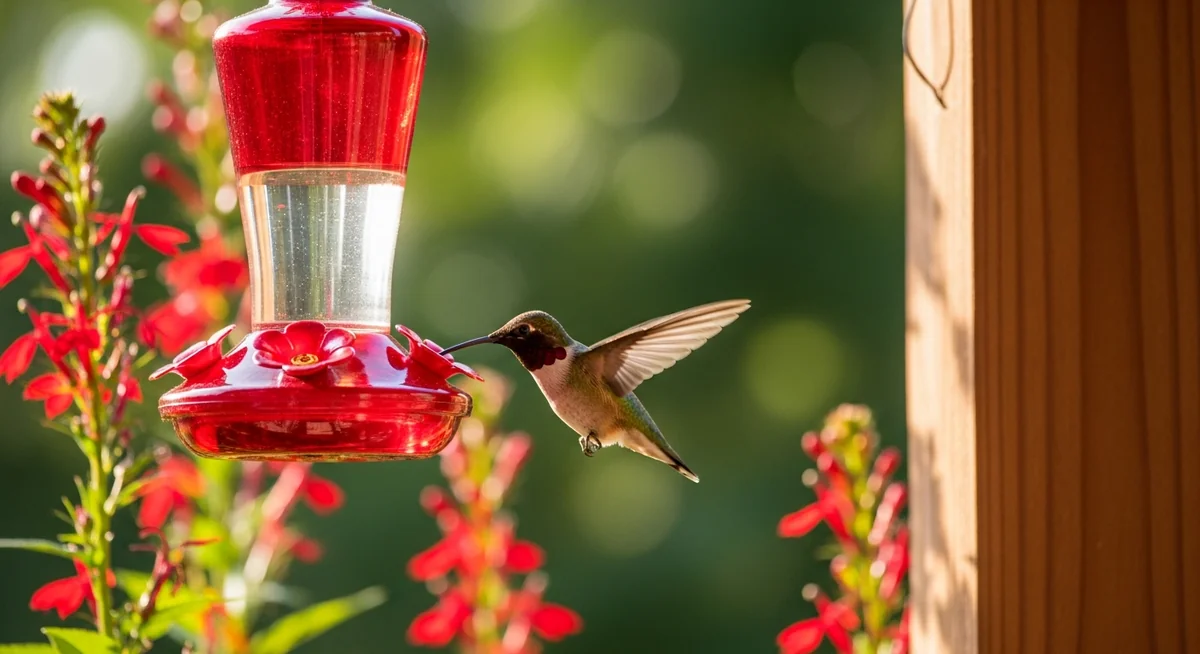
Hummingbirds have excellent color vision and are strongly attracted to red. They can spot vibrant red from a considerable distance, which is why the standard advice to select predominantly red feeders isn't mere convention — it's applied biology. Yellow and white on feeders attract bees and wasps, which compete with hummingbirds and can deter them from returning. If bees are a persistent problem, see our guide to bee-proof hummingbird feeders.
When evaluating decorative glass feeders with elaborate color patterns, confirm that red is the dominant color visible from a distance. A feeder that's beautiful on your porch table but reads as blue-green to an approaching hummingbird fifty feet away isn't doing its primary job.
The Best Glass Hummingbird Feeders: Reviewed
Best Overall: More Birds Vintage Hummingbird Feeder
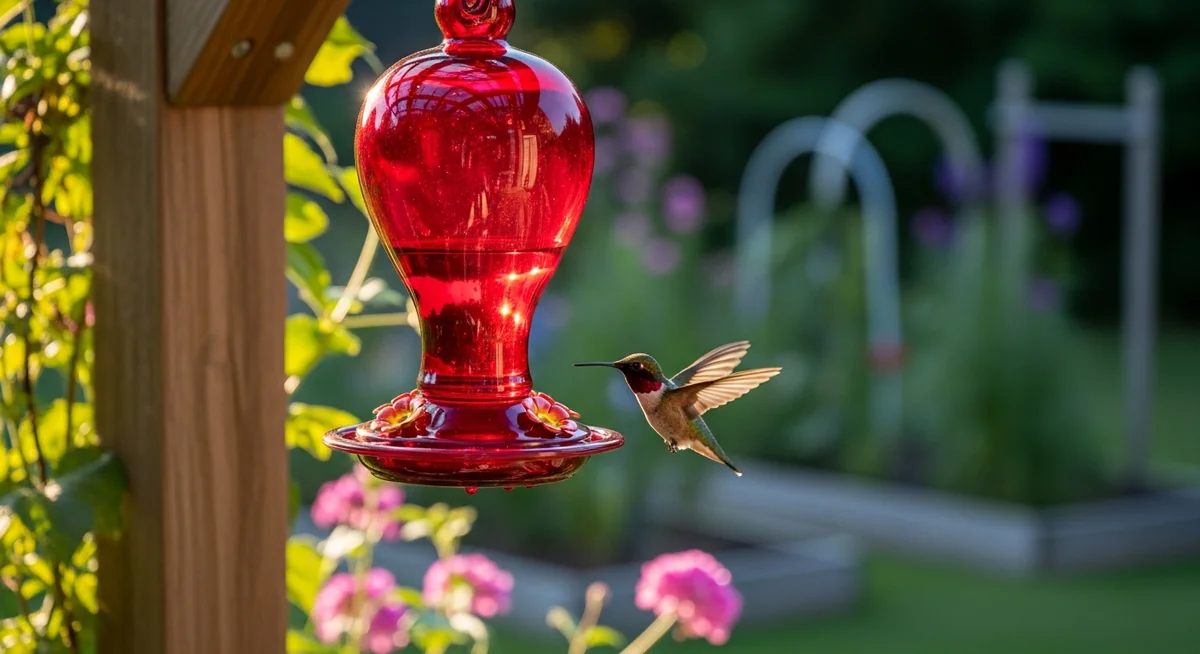
The More Birds Vintage feeder consistently earns its reputation as the best glass pick for most backyard feeders. It combines genuine functionality with classic aesthetics — a wide-mouth bottle design that makes filling and cleaning straightforward, capacity in the 16 to 32-ounce range that suits the majority of feeding situations, and construction quality that justifies its $35 to $45 price point.
The vintage styling means this feeder looks intentional hanging in a garden rather than merely utilitarian. For feeders who want a glass option that performs reliably without requiring a significant aesthetic commitment, this is the starting point.
Best for: First-time glass feeder buyers, standard backyard setups, feeders who prioritize ease of maintenance.
Price range: $35–45
Best Decorative: Grateful Gnome Hand-Blown Glass Hummingbird Feeder
Hand-blown glass feeders occupy a different category entirely. The Grateful Gnome feeder is the option for people who want something genuinely beautiful — artisan construction with vibrant colors achieved through processes that don't fade over time, unlike mass-produced alternatives that start looking tired within a season or two.
The thick, durable glass construction means this feeder can withstand normal handling better than it might appear, though it remains vulnerable to falls. The color patterns are designed to maintain their vibrancy, which matters because a faded red feeder loses its primary attraction advantage over time.
At approximately $35, the Grateful Gnome sits at an accessible price point for what is genuinely an artisan product. It serves double duty as a garden ornament and functional feeder, which matters to feeders who care about their outdoor space aesthetically as well as ecologically.
Best for: Garden-focused feeders, gift purchases, anyone who wants a feeder that functions as yard art.
Price range: ~$35
Best Design: LUJII Blown Glass Hummingbird Feeder
The LUJII feeder represents contemporary decorative design applied to functional feeder construction. Where the Grateful Gnome leans traditional, the LUJII offers something more modern — bold color combinations and sculptural forms that make it genuinely distinctive.
For feeders who've moved past basic setup and want their feeding station to reflect some personal aesthetic, the LUJII delivers. The blown glass construction provides the same temperature and longevity advantages as other glass options, while the design makes it a conversation piece.
Best for: Design-conscious feeders, established setups looking for visual variety.
Best Budget Glass: Perky-Pet Antique Bottle Hummingbird Feeder
At approximately $29, the Perky-Pet Antique Bottle feeder makes glass accessible without significant financial commitment. For a candid look at the full Perky-Pet lineup including durability concerns, see our Perky-Pet hummingbird feeder review. It's the right answer for feeders who want to test whether glass makes a meaningful difference in their specific situation before investing in premium options.
The antique bottle aesthetic is charming without being fussy, and the functional performance is solid for the price point. This isn't the feeder for someone who wants to maximize every variable — it's the feeder for someone who wants a reliable glass option without overthinking the decision.
Best for: Budget-conscious buyers, first glass feeder purchase, gift for someone just starting out.
Price range: ~$29
Best High-Capacity: WOSIBO Hummingbird Feeder (32 Ounces)
For high-traffic feeding stations — the kind of setup where you're watching multiple birds compete for access throughout the day — the WOSIBO's 32-ounce capacity becomes genuinely relevant. It arrives with an ant moat, hanging hook, rope, and cleaning brush included, which means the initial purchase covers the essential accessories.
The colorful hand-blown glass construction provides the aesthetic and functional advantages of the category, while the larger capacity reduces refilling frequency during peak season. For feeders managing multiple stations, reducing the number of daily interventions required has real practical value.
Best for: High-traffic yards, feeders managing multiple stations, anyone who wants to reduce refilling frequency.
Price range: Varies; typically in the mid-range glass category
Best Premium: Nature's Way Hand-Blown Glass Feeders
Nature's Way feeders represent the top of the functional glass category. The thick, hand-blown glass construction in vibrant colors is paired with continuous perch rings that allow birds to rest while feeding — a detail that distinguishes thoughtfully designed feeders from merely attractive ones.
The easy-fill and clean design, where glass components lift easily from hanging brackets, addresses the primary maintenance concern that causes feeders to give up on glass: the cleaning process. When cleaning is genuinely simple, it actually gets done on schedule. When it's complicated, nectar quality suffers.
These feeders cost more than budget alternatives, but they're built for the feeder who has decided this hobby is worth doing well.
Best for: Committed feeders, premium setups, anyone who prioritizes both aesthetics and functional design details.
Best Compact: Original Best-1 Clear Glass Bottle Hummingbird Feeder (8 oz.)
The 8-ounce Best-1 feeder solves a specific problem: placement in tight spaces where a larger feeder won't work, or use as a supplemental station in a multi-feeder setup. Clear glass means you can monitor nectar levels and condition at a glance, which matters when you're managing multiple stations.
The compact size does require more frequent refilling in active yards, but for lower-traffic locations or as a secondary feeder positioned for close observation — within three feet of a window, for instance, where feeders actually reduce rather than increase window strike risk — the 8-ounce capacity is appropriate.
Best for: Supplemental stations, tight placement situations, window-mounted or close-observation setups.
Best Functional Mid-Range: Kingsyard 16oz Glass Hummingbird Feeder With Ant Moat
The Kingsyard feeder hits the practical sweet spot: 16-ounce capacity that suits most backyard situations, integrated ant moat that addresses insect competition without requiring a separate purchase, and functional design that prioritizes usability over decoration.
For feeders who want glass performance without decorative premium pricing, the Kingsyard is the straightforward choice. It does what a hummingbird feeder needs to do, in a material that will outlast plastic alternatives by years.
Best for: Practical buyers, standard backyard setups, feeders who want function over form.
Placement and Maintenance: What Actually Determines Success
The best glass feeder in the world fails if it's placed poorly or maintained inconsistently. A few principles that matter:
Height: Hang feeders four to five feet above the ground. This height feels natural to hummingbirds and keeps feeders accessible for maintenance without requiring a ladder.
Window distance: Position feeders within three feet of windows or more than ten feet away. The danger zone for fatal window strikes is three to ten feet — feeders in that range create collision risk. Counter-intuitively, feeders very close to glass are actually safer because birds don't build up dangerous flight speed before contact.
Nectar freshness: Change nectar every three to five days under normal conditions, every two to three days when temperatures exceed 75 degrees. Hummingbirds must feed every ten to fifteen minutes throughout the day — they cannot afford to consume fermented nectar from a neglected feeder.
Cleaning schedule: Thorough cleaning every two weeks with a dilute bleach solution (one part bleach to nine parts water), followed by complete rinsing and full drying before refilling. Glass makes this process easier than plastic because smooth surfaces don't harbor bacteria the way eroded plastic does.
Seasonal timing: Put feeders out one to two weeks before hummingbirds are expected to arrive in your region — late March or early April in most areas. Keep feeders up for two weeks after seeing your last hummingbird in fall, typically mid-September to early October. Hummingbirds can remember specific feeder locations year after year; being ready when they arrive matters.
The Bottom Line on Glass Hummingbird Feeders
Glass hummingbird feeders aren't a luxury purchase — they're a long-term investment in a feeding setup that actually works. The temperature stability that keeps nectar fresh longer, the UV resistance that prevents degradation, and the longevity that eliminates repeated replacement costs all add up to genuine value over time.
For most feeders, the More Birds Vintage is the right starting point: solid performance, reasonable price, easy maintenance. If aesthetics matter as much as function, the Grateful Gnome or LUJII deliver artisan quality at accessible prices. High-traffic yards benefit from the WOSIBO's 32-ounce capacity, while the Nature's Way feeders represent the premium option for feeders who want the best of both functional design and beautiful construction.
What matters most isn't which specific feeder you choose from this list — it's committing to the maintenance that keeps nectar fresh, the placement that keeps birds safe, and the consistency that keeps hummingbirds returning season after season. Get those fundamentals right, and the feeder itself becomes almost secondary. Almost.