Best Bluebird Feeders & Mealworm Stations Explained
Best Bluebird Feeders & Mealworm Stations: How to Finally Attract Eastern Bluebirds to Your Yard
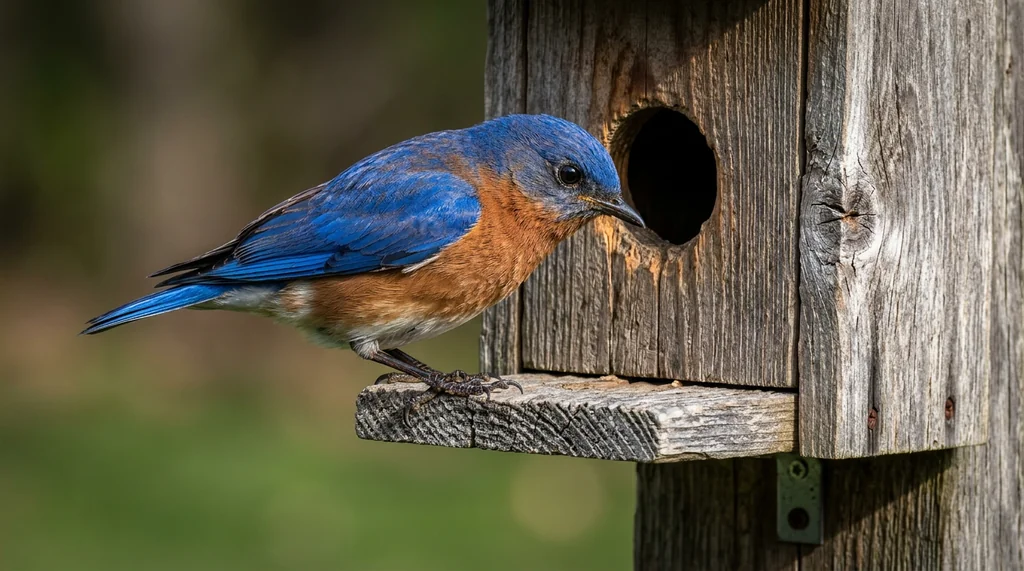
You've seen them in photographs. Maybe you've spotted one on a fence post during a drive through the countryside, that electric flash of cobalt and rust that makes you grip the steering wheel and say oh. Eastern bluebirds are genuinely one of the most stunning birds in North America, and yet so many backyard birders spend years trying to attract them and get nowhere.
The frustration is understandable. Bluebirds don't behave like cardinals or chickadees. They won't show up at a standard seed feeder, ever, because they're not seed eaters. They're insectivores who occasionally eat berries, and if you want them in your yard, you need to think like a bluebird: live food, open sightlines, and a very specific kind of feeder. The best bluebird feeders and mealworm stations work because they replicate what bluebirds actually need, not what we assume birds need based on experience with other species.
This guide covers everything from feeder design to mealworm sourcing to placement strategies that actually work. For a deeper dive on mealworm quantities, live vs dried, and seasonal feeding windows, see our mealworms for bluebirds feeding guide. Bluebirds are entirely achievable once you understand what they're looking for.
Key Takeaways
- Enclosed feeders with 1.5-inch entry holes exclude starlings and protect mealworms from rain, making them more effective than open trays in most yards.
- Live mealworms attract bluebirds faster than dried ones during the establishment period because movement triggers the perch-and-pounce hunting instinct.
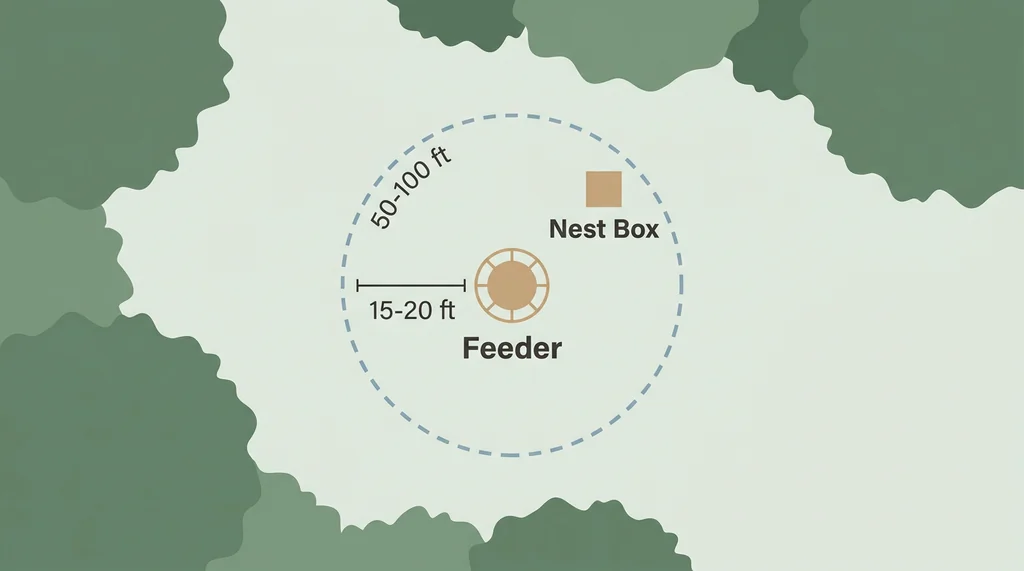
- Position feeders 15-20 feet from shrubs at 4-6 feet height, and within 50-100 feet of active nest boxes for maximum use during breeding season.
- Soak dried mealworms in water for 15-20 minutes to rehydrate them, making them more appealing to bluebirds and easier for nestlings to swallow.
- A complete setup of pole, squirrel baffle, enclosed feeder, and initial mealworm supply costs $75-120 and can attract a returning pair for multiple years.
Why Bluebirds Ignore Standard Feeders
Before spending a dollar on equipment, it helps to understand bluebird biology. Eastern bluebirds (Sialia sialis) are members of the thrush family, which means their digestive systems, hunting instincts, and feeding behaviors are fundamentally different from the finches and sparrows that dominate most backyard setups.
In the wild, bluebirds hunt from elevated perches, scanning the ground below for insects and larvae. They drop down in a short, precise dive, grab their prey, and return to the perch. This hunting style is called "perch-and-pounce," and it shapes everything about how bluebirds interact with feeders. They need to be able to see their food from above, approach it from a perch, and have clear sightlines to spot potential predators.
A tube feeder full of sunflower seeds offers them nothing. Neither does a hopper feeder, a suet cage, or a nyjer sock. These aren't design flaws in those feeders — they're simply built for different birds with different needs.
Bluebirds eat mealworms. Both live and dried mealworms work, though live mealworms are significantly more effective, especially when you're first trying to establish bluebirds in your yard. During nesting season, a pair of bluebirds with young in the nest can consume hundreds of mealworms per day. Outside of breeding season, they'll still visit reliable mealworm stations regularly, particularly during cold weather when natural insect populations crash.
What Makes a Good Bluebird Feeder
The design requirements for bluebird feeders are specific, and this is where many people go wrong. They buy a generic "bluebird feeder" without understanding the functional features that matter.
Open Tray vs. Enclosed Box Feeders
Bluebird feeders generally come in two configurations: open trays and enclosed boxes with entry holes.
Open tray feeders are exactly what they sound like — a shallow dish or platform where mealworms sit exposed. The advantage is visibility. Bluebirds can spot the mealworms from a distance and approach confidently. The disadvantage is that every other bird in the yard can access them too, and rain turns mealworms into a soggy, unusable mess within minutes.
Enclosed box feeders have a small entry hole, typically 1.5 inches in diameter, sized to allow bluebirds in while excluding starlings and other larger birds that would otherwise clean out your mealworm supply within minutes. The enclosed design also provides weather protection, keeping mealworms dry during rain. The trade-off is that bluebirds need to learn the feeder exists and feel comfortable entering, which takes time.
For most situations, enclosed box feeders are worth the initial patience. The mealworm savings alone justify the investment — dried mealworms aren't cheap, and watching starlings eat $15 worth in an afternoon is genuinely demoralizing.
Entry Hole Sizing and Perch Placement
The standard entry hole for bluebird feeders is 1.5 inches. This size excludes European starlings, which require at least 1.75 inches to enter, while comfortably accommodating bluebirds. Some feeders use 1.375-inch holes, which work for bluebirds but can be tighter and may deter birds in cold weather when they're fluffed up.
Perch placement matters considerably. Bluebirds need a landing spot near the entry hole where they can pause, assess the interior, and then enter. A perch positioned 2-3 inches below the entry hole allows for this natural approach sequence. Feeders without perches, or with perches positioned awkwardly, see lower visitation rates because they interrupt the bird's instinctive approach pattern.
Drainage and Cleaning Access
Mealworm feeders require regular cleaning. Live mealworms produce waste, and both live and dried mealworms can harbor bacteria if left in a humid feeder for more than a few days. Any feeder worth using should have drainage holes in the floor and a design that allows you to open it completely for scrubbing.
Feeders with removable trays or hinged roofs make the weekly cleaning process significantly less frustrating. The ones that require disassembly with a screwdriver get cleaned less often, which creates health problems for the birds you're trying to attract.
Top Bluebird Feeder Options Worth Considering
The Classic Wooden Box Style
Traditional wooden bluebird feeders remain popular for good reason. Cedar and pine versions, typically priced between $25 and $45, are durable, weather naturally, and blend into garden settings without looking like plastic intrusions. The Coveside Conservation Products feeder is a well-regarded option in this category — it's built from solid cedar, has proper 1.5-inch entry holes, and includes a hinged roof for easy cleaning and refilling.
The limitation of basic wooden feeders is that they lack windows, so you can't see how much food remains without opening the feeder. This matters more than it sounds, because opening the feeder when bluebirds are nearby will send them off. Feeders with small clear panels on the sides solve this problem and are worth the slight price premium.
Clear Acrylic Enclosed Feeders
Several manufacturers now produce bluebird feeders with transparent acrylic sides. The Songbird Essentials SEHHBF4 bluebird feeder, available around $30-35, uses this approach effectively. The clear panels let you monitor food levels without disturbing the birds, and they allow bluebirds inside to see out — which some research suggests increases their comfort level when entering enclosed feeders.
The weakness of acrylic feeders is longevity. Direct sun degrades acrylic over time, causing it to yellow and eventually crack. A feeder in full afternoon sun may need replacement after two or three seasons. Positioning these feeders where they receive morning light but afternoon shade extends their lifespan considerably.
Window-Mounted Bluebird Feeders
Window-mounted bluebird feeders use suction cups to attach directly to glass, bringing birds within inches of your face. The Nature's Hangout window bird feeder has a version designed for mealworms, and the close-up views it provides are extraordinary. The catch is that bluebirds are somewhat more wary than house finches or chickadees, and getting them comfortable with a window-mounted feeder requires an established relationship — they need to trust the mealworm source before they'll approach a window.
This style works best as a secondary feeder added after bluebirds are already visiting a more conventionally placed station.
Live vs. Dried Mealworms: The Real Comparison
This question generates more debate in bluebird circles than almost any other topic, and the answer depends on your goals and budget.
Live Mealworms
Live mealworms (Tenebrio molitor larvae) are the most effective attractant for bluebirds, full stop. The movement triggers the bluebird's hunting instinct in a way that dried mealworms simply don't. During the critical period when you're first trying to establish bluebirds at your feeder — which can take anywhere from a few days to several weeks — live mealworms dramatically accelerate the process.
The practical challenges are real. Live mealworms must be stored in the refrigerator at 40-50°F to keep them dormant and slow their development into beetles. At room temperature, they'll pupate and emerge as adult beetles within days. A container of 1,000 live mealworms costs roughly $8-15 depending on supplier, and they remain viable for 1-3 weeks when properly refrigerated. Online suppliers like Rainbow Mealworms and Bassett's Cricket Ranch ship reliably and offer better prices than pet stores, where the same quantity might cost $20 or more.
During peak nesting season, a pair of bluebirds feeding nestlings can consume 100-200 mealworms per day. If you're offering live mealworms throughout the breeding season, budget accordingly — this can add up to $30-50 per month during peak periods.
Dried Mealworms
Dried mealworms solve the storage problem entirely. They require no refrigeration, last months in a sealed container, and can be purchased in bulk quantities that significantly reduce per-mealworm cost. A 17.6-ounce bag of dried mealworms from a reputable supplier like Kaytee or Wild Harvest costs $15-20 and contains roughly 3,500 mealworms.
The limitation is effectiveness. Bluebirds that are already regular feeder visitors will eat dried mealworms readily. Bluebirds that haven't yet discovered your station are less likely to be drawn in by dried mealworms alone, because the lack of movement doesn't trigger the same hunting response.
One technique that bridges the gap: soak dried mealworms in water for 15-20 minutes before putting them in the feeder. Rehydrated mealworms aren't as compelling as live ones, but they're more attractive than fully dried, and the moisture makes them easier for nestlings to consume. This is particularly relevant if bluebirds are bringing food back to a nest box on your property.
Mixing Strategies
Many experienced bluebird enthusiasts use a hybrid approach: live mealworms during the establishment period and the first breeding season, then transitioning to primarily dried mealworms supplemented with live ones during nesting season when demand is highest. This balances cost and effectiveness reasonably well.
Feeder Placement: The Variables That Actually Matter
You can buy the best feeder on the market and fill it with premium live mealworms and still get no bluebirds if placement is wrong. Bluebirds are particular about their environment in ways that matter more than equipment quality.
Open Sightlines Are Non-Negotiable
Bluebirds require open space around their feeding area. Unlike cardinals, which prefer feeders within 10-15 feet of dense cover, bluebirds are uncomfortable in cluttered, heavily planted settings. They need clear sightlines in multiple directions so they can spot approaching predators while feeding.
The ideal placement is in an open area of the yard, 15-20 feet from the nearest shrubs or trees. A fence post, shepherd's hook, or dedicated pole in the middle of a lawn or garden bed works well. If your yard is heavily wooded or densely planted, you may need to create a clearing or accept that bluebirds will prefer your neighbor's more open property.
Height Considerations
Bluebird feeders work best at 4-6 feet off the ground. This height approximates the elevated perch height from which bluebirds naturally hunt, making the approach feel instinctively correct. Feeders positioned very low (under 3 feet) make bluebirds nervous about ground predators. Feeders positioned very high (over 8 feet) disrupt the normal approach angle.
If you're using a pole-mounted setup, adding a squirrel baffle below the feeder is strongly recommended. Squirrels will raid mealworm feeders enthusiastically, and a smooth metal baffle at 4 feet on the pole prevents most access attempts.
Distance from Nest Boxes
If you have bluebird nest boxes on your property — and if you're serious about bluebirds, you should — position mealworm feeders within 50-100 feet of active boxes. During nesting season, bluebirds establish a foraging territory centered on the nest, and feeders within this territory get used heavily. Feeders positioned outside this range may be ignored even by birds you can see from the same window.
Avoid placing feeders directly adjacent to nest boxes, however. Heavy feeder traffic can stress nesting birds and attract unwanted attention from predators and competing species. Fifty feet is close enough to be convenient for the birds without creating problems at the nest site.
Dealing with Starlings and House Sparrows
European starlings and house sparrows are the two biggest obstacles to bluebird feeding success, and both require active management.
Starlings cannot fit through a 1.5-inch entry hole, which is the primary reason enclosed feeders with properly sized openings are so valuable. An open tray feeder in starling territory will be cleaned out constantly. If you're committed to open tray feeding, the only real solution is to stand watch and physically shoo starlings away while bluebirds feed — which works during the initial training period but isn't sustainable long-term.
House sparrows are smaller and can enter bluebird feeders through the standard 1.5-inch hole. Some feeders use 1.375-inch holes specifically to exclude house sparrows while still accommodating bluebirds, though the effectiveness varies. Placement helps: house sparrows are strongly associated with buildings and dense vegetation, and a feeder positioned in an open area away from structures sees fewer sparrow visits than one near a fence line or shrub border.
Seasonal Feeding Considerations
Bluebird feeding needs change significantly across the year, and adjusting your approach seasonally improves both effectiveness and cost efficiency.
Late winter and early spring (February through April) is the highest-priority feeding window. Natural insect populations are at their lowest, and bluebirds returning to establish breeding territories are actively seeking reliable food sources. A well-stocked mealworm station during this period can establish a loyal pair that returns for years. This is also when live mealworms make the biggest difference — the movement is more compelling when birds are food-stressed.
Breeding season (May through July) brings the highest mealworm consumption. Nesting pairs may visit feeders dozens of times per day, carrying mealworms back to nestlings. Maintaining consistent supply during this period is important; bluebirds that find an empty feeder repeatedly during the breeding season will stop checking it.
Late summer and fall (August through October) sees reduced feeder visits as insect populations peak and natural foraging is easy. Bluebirds may disappear from feeders almost entirely during this period. This is normal and not a sign that something is wrong. Maintaining a feeder with smaller quantities of dried mealworms keeps the location in their mental map for winter.
Winter (November through January) brings bluebirds back to feeders with real urgency, particularly during cold snaps when insects are completely unavailable. Suet can supplement mealworms during winter — bluebirds will eat suet, particularly fruit-flavored varieties, though it's a secondary food source rather than a primary attractant. Berries are also valuable winter food; plantings of native hollies, dogwoods, and beautyberry near your property provide natural foraging that keeps bluebirds in the area between feeder visits.
Building a Complete Bluebird Station
The most effective setup combines a quality enclosed feeder, a reliable mealworm supply system, and appropriate habitat elements working together.
A dedicated bluebird pole with a squirrel baffle, positioned in an open area of the yard at 5-6 feet, forms the foundation. An enclosed cedar or acrylic feeder with 1.5-inch entry holes goes on top. For mealworm storage, a small cooler or dedicated mini-fridge in the garage keeps live mealworms viable without requiring refrigerator negotiation. Dried mealworms in a sealed container near the back door make daily refilling a 30-second task rather than a project.
If budget allows, a second feeder positioned 20-30 feet from the first gives bluebird pairs the option to feed separately, reducing competition between the male and female during the breeding season when territorial instincts run high.
The total investment for a solid setup — pole, baffle, feeder, and initial mealworm supply — runs roughly $75-120. That's not trivial, but bluebirds are not a casual commitment. They reward patience, consistency, and proper setup with years of reliable presence, and there are few better returns on a modest backyard investment than a pair of Eastern bluebirds raising three broods per season twenty feet from your kitchen window.
Bluebirds ask for specific things: live food, open space, a feeder they can enter safely, and a reliable supply that doesn't disappear between visits. Meet those requirements consistently, and the birds will find you. It usually takes a few weeks, occasionally a full season, but once a pair establishes your yard as part of their territory, they come back year after year. That first morning you look out and see that cobalt flash landing on your feeder — that's the moment all the mealworm logistics become completely worth it.